Skip to main content Skip to search Skip to main navigation

Free shipping for orders over € 75

Ordered before 4 PM, processed the same working day*

98% of customers give us a 4-5 star rating

+50,000 colours

White paint
White paint

White paint or primer is something everyone can use from time to time. Whether you want to create a neutral home interior or lay a solid foundation for further decorating, white paint or white primer is the most popular category in any paint shop, online or otherwise. At Tintrio, we guide you through the different types of white paint and highlight our top picks.

What is white paint?

It may seem obvious, but white paint still needs a little explanation. The term paint is very broad: here, we use it to include wall paint, primers and enamel paint. By white, we mean 100% white, or standard white. This is paint that comes straight from the manufacturer, rather than paint we mix into a particular shade of white. No extra pigment is added to the tin. For this reason, 100% white cannot be compared to a RAL colour. Not sure whether 100% white paint is the right choice for you? Take a look at our blog on shades of white to compare different white paint colours.

Our top 5: White primers for walls

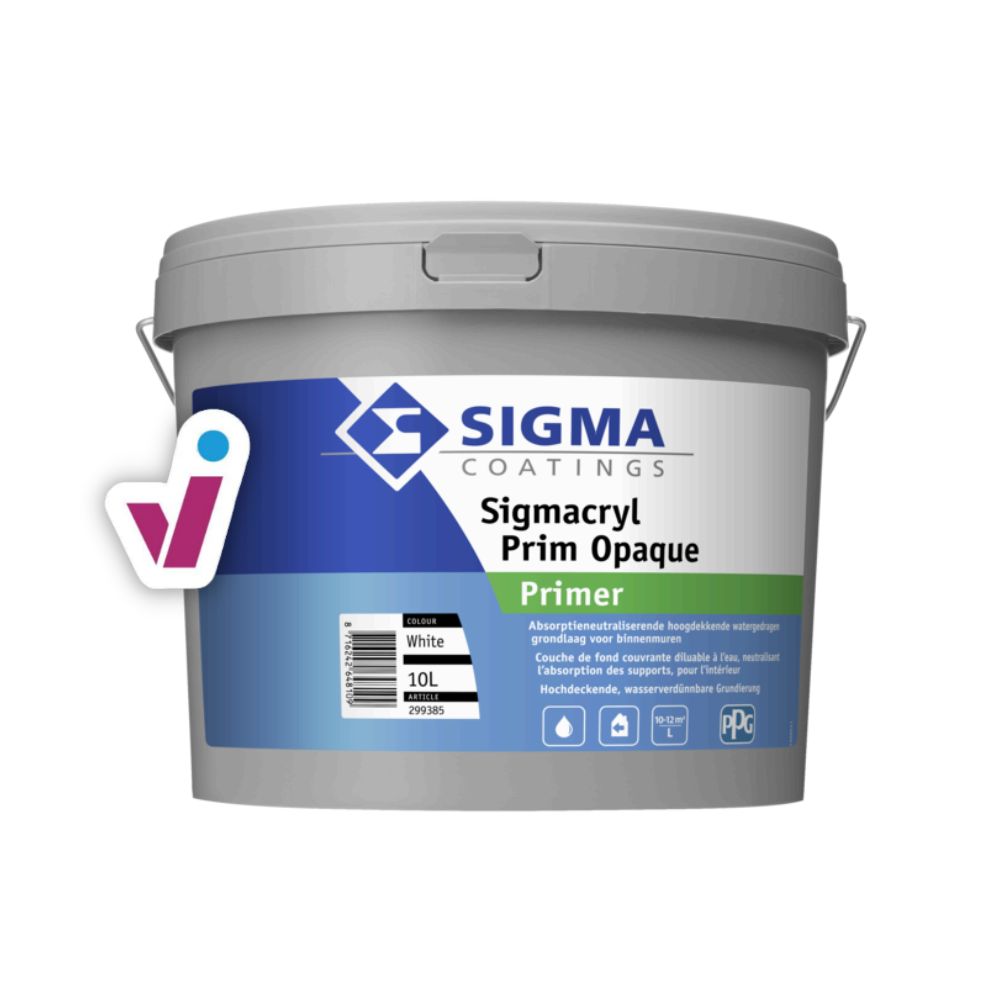
  1. Sigma Sigmacryl Prim Opaque: A primer with excellent coverage, available in white or a colour of your choice. Suitable for newly built homes.
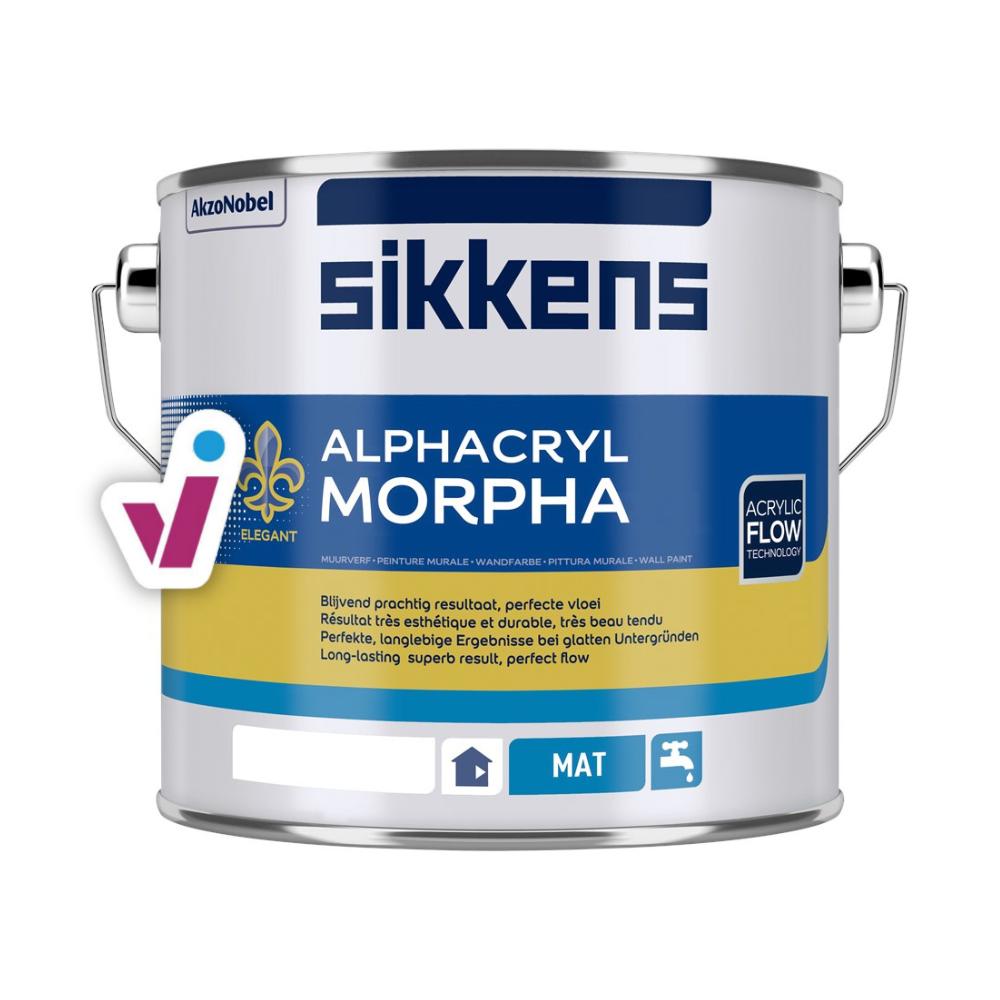
  2. Sikkens Alphacryl Primer: An effective stain-blocking primer that seals in nicotine and soot stains that remain after thorough cleaning.
  3. Levis Primer: An affordable option that also delivers quality for your interior walls and ceilings.
  4. Trimetal Magnaprim Fix: A powdery surface would normally need a stabilising treatment, but this primer combines an opaque base coat and a stabiliser in one. Handy!
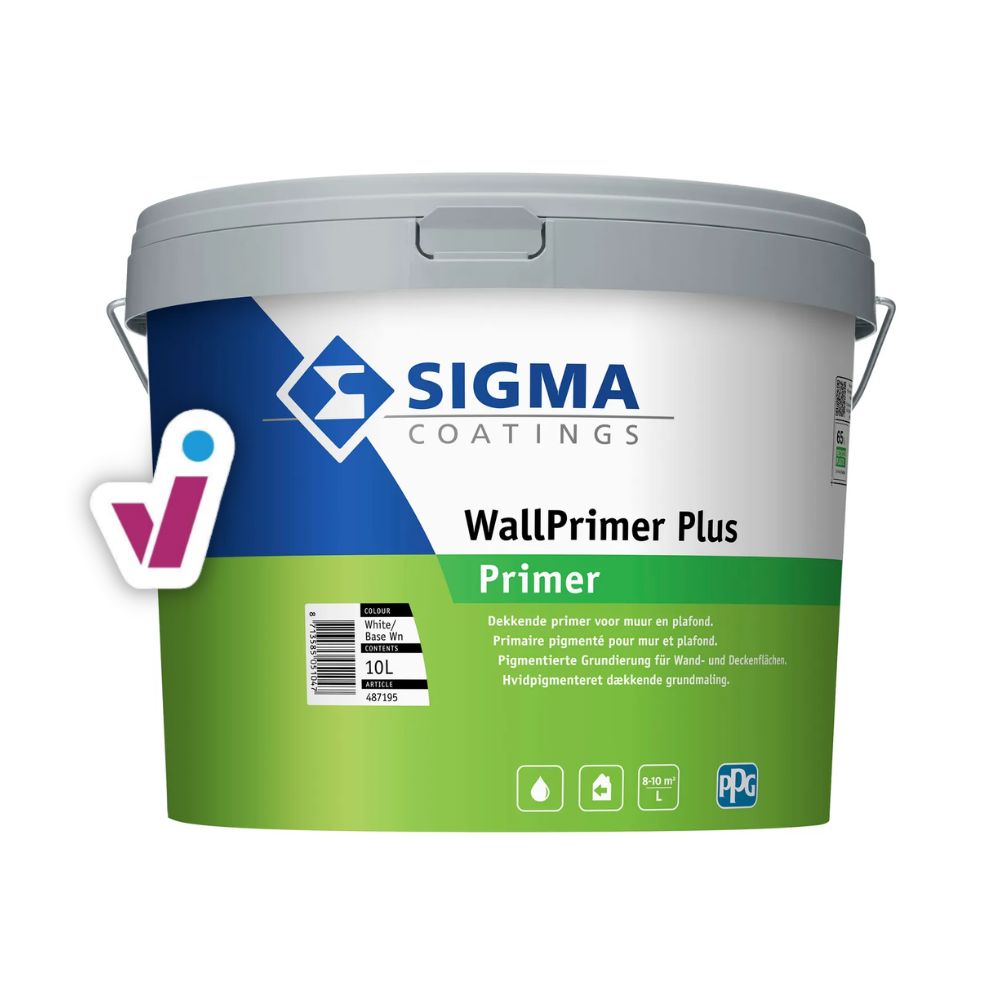
  5. Sigma Wallprimer Plus: A high-quality base coat and an environmentally friendly choice. This opaque primer meets EU Ecolabel requirements, which means you can pay for it with eco vouchers in Belgium.

White wall and ceiling paint

>> Need a finishing coat for your walls and ceilings too? You will find our top 5 wall and ceiling paints on this page. You can also order them in standard white.

White wall and ceiling paint

Want to give your walls or ceiling a fresh white look? In addition to a primer, if needed, you will also need a finishing paint. White wall paint determines the final appearance. For ceilings, an extra matt finish is often an attractive choice. For walls you want to clean regularly, pay attention to how washable the paint is.

Which white wall paint suits your project? Discover our top 5 wall and ceiling paints. You can also order these favourites in standard white.

Our top 5: White wood paint

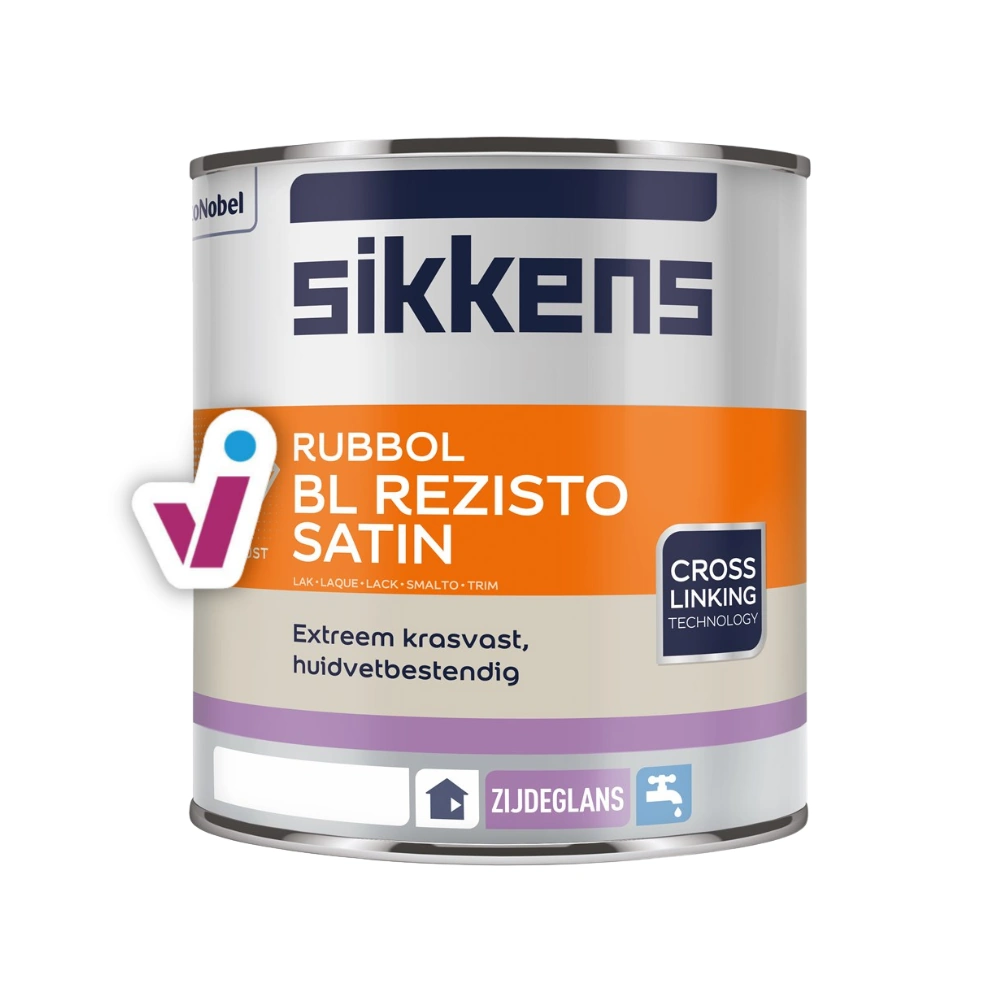
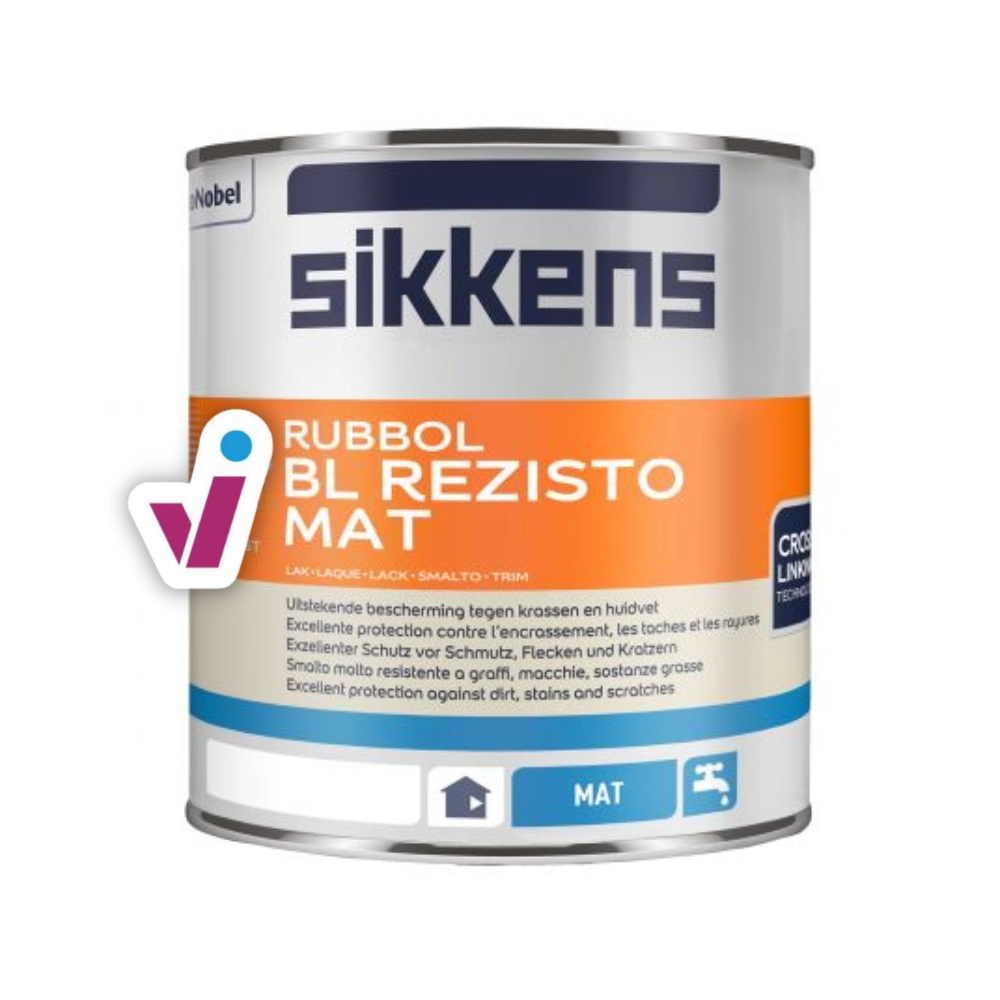
  1. Sikkens Rubbol BL Primer + Rubbol BL Rezisto Satin: We start with a popular bundle that lets you give your interior doors and windows a beautiful white finish.
  2. Sigma Tigron Aqua Primer + Matt: Another bundle in our top five. This time, a primer and finishing enamel for interiors with a matt appearance. Use it to paint your stairs or wooden furniture white.
  3. Sigma Amarol Triol Aqua Satin: The white paint for your exterior woodwork, ideal for your carport, wooden garage door, …
  4. Trimetal Permacryl XR Primer and XR Mat bundle: XR stands for extra performance in scratch resistance, washability and coverage. Perfect for giving your interior woodwork a white finish.
  5. Sikkens Rubbol BL Magura: Some homes have wooden slats on the walls or ceilings. Many people prefer to cover the natural wood colour and paint them white. This finishing coat gives wooden slats a beautiful white finish.

Practical questions

Is using solvent-based white paint a good idea?

Want to paint doors, windows or other woodwork white? Then it is worth considering the choice between water-based and solvent-based paint. White solvent-based alkyd paints can yellow over time, especially in areas with little daylight. 

For a white interior finish, we therefore usually choose a water-based lacquer that is not prone to yellowing in the dark. This keeps your woodwork looking white for longer. However, pay attention to the properties of the specific product: some water-based lacquers also contain alkyd and may still yellow. The label ‘water-based’ alone is therefore no guarantee.

Outdoors, a white solvent-based lacquer can be a suitable choice. Exposure to daylight generally makes yellowing caused by darkness less noticeable. It can still occur in sheltered or dark areas. Always choose an lacquer that is suitable for outdoor use and for the surface you want to paint. Not sure which white paint best suits your project? We are happy to help you choose.

Do I need a white primer?

That depends on what you are painting and the condition of the surface. New plaster or plasterboard walls generally need a suitable wall primer. For untreated wood, choose a wood primer. Want to paint metal or plastic white? You may need a suitable adhesion primer (multi-surface primer), along with rust protection for metals prone to rust.

A primer prepares the surface for the finishing paint. Depending on the product, it improves adhesion, reduces absorbency or prevents stains from showing through the finish. Planning a white finish? A white, opaque primer provides a good base. Choosing a different finishing colour? You can also have a tintable primer mixed in a colour that complements your topcoat. Always choose a primer that is suitable for both your surface and your finishing paint.

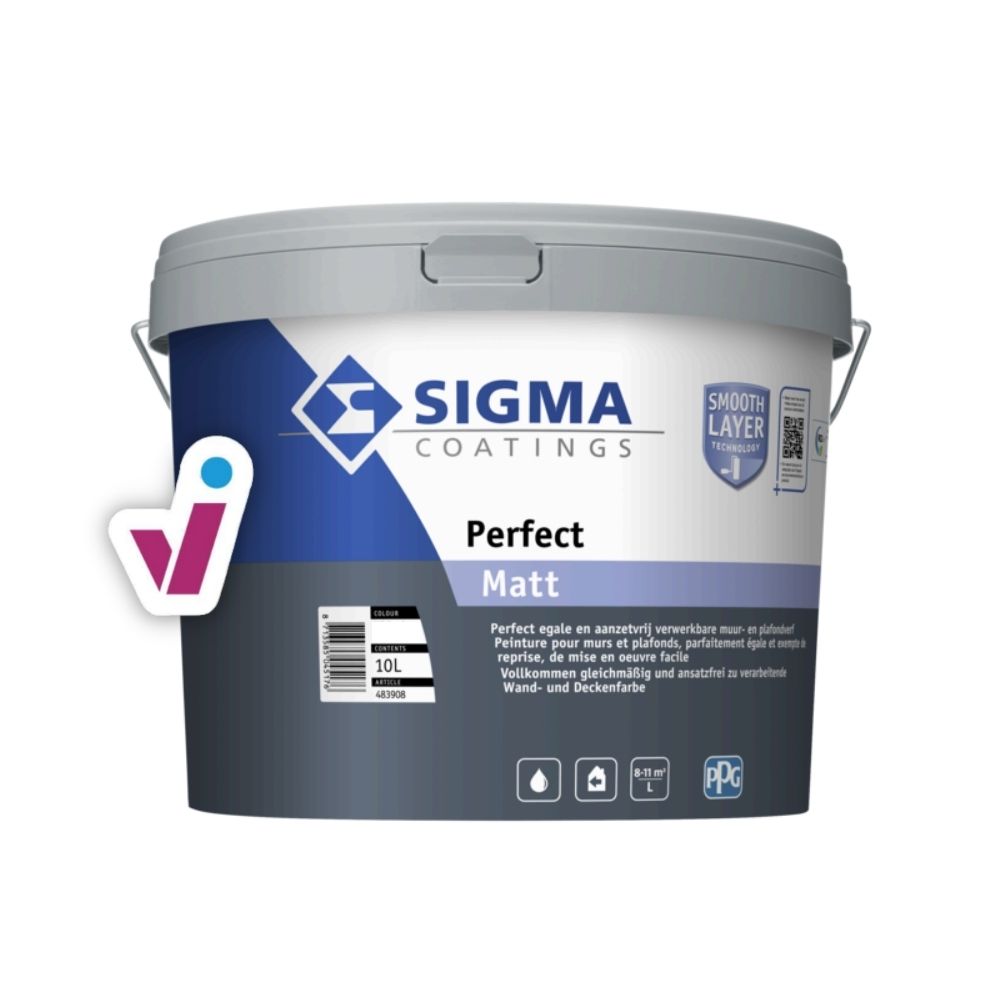
Is the surface already painted, with the existing paint still firmly attached? A new primer is not always necessary. Thorough cleaning and, for lacquer finishes, sanding may be enough. Bare patches, powdery walls or stubborn stains ALWAYS require suitable preparation. Some paints also combine a base coat and a finishing coat in one product, such as Sigma Perfect Matt. Always check the recommendations for your chosen paint.

How many litres of paint will I need?

The amount of white paint you need depends on the surface area, the number of coats and the coverage of your chosen paint. You can find the coverage on the product page and in the technical data sheet. It is usually expressed in square metres per litre per coat.

The calculation is simple: multiply the surface area by the number of coats and divide by the coverage. For example, want to paint 40 m² with two coats of paint that covers 10 m² per litre per coat? You will need 8 litres of finishing paint. Calculate any primer separately.

Bear in mind that a rough surface may require more paint. Extra coats may also be needed when making a significant colour change. Always follow the recommended number of coats for your chosen product and allow a little extra for touch-ups.

Which white paint is suitable for the kitchen or bathroom?

For the kitchen, choose a white wall paint that is easy to clean. This makes it easier to remove grease splashes and other stains. In the bathroom, suitability for humid conditions is particularly important. Choose a paint that withstands condensation and is also easy to clean.

Look beyond the white colour and check the product's properties and recommended uses. A matt paint, for example, can be perfectly suitable for the kitchen if it is washable enough. For the bathroom, choose a paint specifically suitable for bathroom walls.

Also ensure adequate ventilation: even a suitable bathroom paint cannot replace it. Planning to paint a surface that regularly comes into direct contact with shower water? We would generally advise against using products from our range for this purpose. Tiles remain the best choice inside a shower.

Buy white paint online at Tintrio?

Whether you choose one of our top 5 white paint products or opt for the Levis white paint collection, Tintrio always aims to deliver quickly and safely. Still unsure which white paint or white primer your project needs? Contact our customer service team. They have a wealth of painting knowledge and make a point of sharing their advice in clear, everyday language.