

Water-based paint
Do you enjoy painting with water-based paint? We completely understand! Water-based paints and lacquers offer a whole host of benefits. Discover our range of water-based paints and experience the benefits yourself.
What is water-based paint?
When we talk about water-based paint or waterborne paint, we refer to paint in which water is the main solvent. During drying, the water evaporates, allowing the paint layer to harden.
However, water-based paint is not just water. It also contains binders that provide properties such as scratch resistance, adhesion and washability. In addition, pigments are added to achieve the desired colour. In short, water-based paint is a mixture of water as a solvent, binders such as acrylic or polyurethane, and pigments that together create a durable and user-friendly paint finish.
Benefits of water-based paint
- Low odour: Ideal for bedrooms, children's rooms and living spaces.
- Fast drying time: Usually ready to recoat after a few hours.
- Lower environmental impact: Reduced emission of solvents.
- Does not yellow: Especially important for white doors and interior woodwork.
- Easy to clean: Brushes and rollers can be cleaned with water.
So there are plenty of reasons to choose water-based paint.
But are there also any downsides?
Water-based paint is best applied at temperatures between 10 and 25°C. Within this range, the paint dries evenly and delivers a smooth, high-quality finish. Solvent-based paint is slightly more flexible and can be applied in a wider range of temperatures.
Water-based paint is best stored in a space where the temperature stays between 10 and 25°C. With solvent-based paint, it is less of an issue if it is stored at lower temperatures, for example around 5°C. Outside this temperature range, our paint experts believe there are no other significant disadvantages.
What applications is water-based paint suitable for?
In principle, water-based paint can be used for almost any painting job, but the following applications are particularly suitable.
- Painting walls and ceilings
Achieve a streak-free result with water-based paint. This can be easily done with our all-time bestseller.
Tintrio’s paint tip: Sigma Perfect Matt - Painting wooden doors and windows
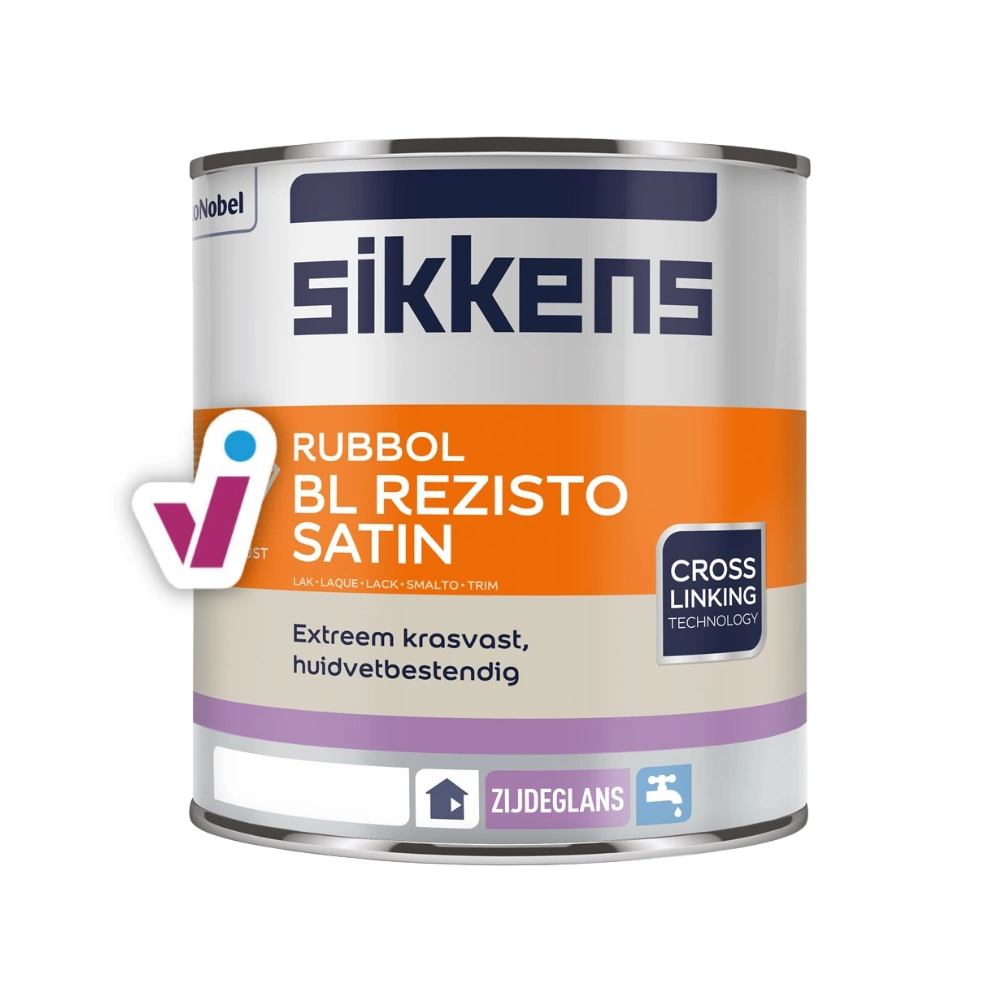
Want to paint your interior doors and windows in white or another colour? With this interior water-based lacquer, you are guaranteed excellent colour retention and resistance to skin oils.
Tintrio’s paint tip: Sikkens Rubbol BL Rezisto Satin - Finishing MDF
MDF is often used to create seamless built-in cabinets up to the ceiling. It is usually painted in the same colour as the ceiling, so we recommend a matte water-based lacquer.
Tintrio’s paint tip: Sikkens Rubbol BL Magura - Painting kitchen cabinets
Kitchen and bathroom cabinets can also be painted with water-based paint, ensuring they remain fully washable and highly scratch resistant.
Tintrio’s paint tip: Sigma Tigron Aqua Satin - Making furniture durable
Furniture takes a lot of wear and tear. Chairs, for example, are frequently used and moved. Protect them with a high-quality water-based varnish.
Tintrio’s paint tip: Sigma Varnish Ultra Matt - Child-proofing bedrooms
Prevent dirty hands on walls with washable water-based paint. Tintrio’s paint tip: Sigma Pearl Clean Matt
Painting toys or a baby cot is best done with a safe water-based lacquer.
Tintrio’s paint tip: Sigma Tigron Aqua Matt
Which types of water-based paint exist?
We like to divide paint into interior wall paint, facade paint, interior lacquer and exterior paint. Below we highlight popular water-based paint ranges:
- Water-based interior wall and ceiling paint: Sigma Perfect and Trimetal Magnacryl
- Water-based facade paint: Sigma Facade Topcoat
- Durable water-based interior lacquer: Sikkens Rubbol BL and Trimetal Permacryl
- Water-based exterior lacquer: Sigma Torno Aqua
Sustainability of water-based paint
Choosing water-based paint is always more sustainable than choosing solvent-based paint. You can also read more about this in our blog on the differences between water-based paint and solvent-based paint.
Sustainable reasons to choose water-based paint
Lower emission of harmful substances
Water-based paint contains fewer volatile organic compounds (VOCs), resulting in fewer harmful fumes during application and better indoor air quality.
Better indoor air quality
Thanks to its low odour and reduced solvent emissions, water-based paint is particularly suitable for living rooms, bedrooms, children's rooms and other indoor spaces.
Easy cleaning
Brushes, rollers and other painting tools can usually be cleaned with water, reducing the need for chemical cleaning agents.
Eco labels and certifications
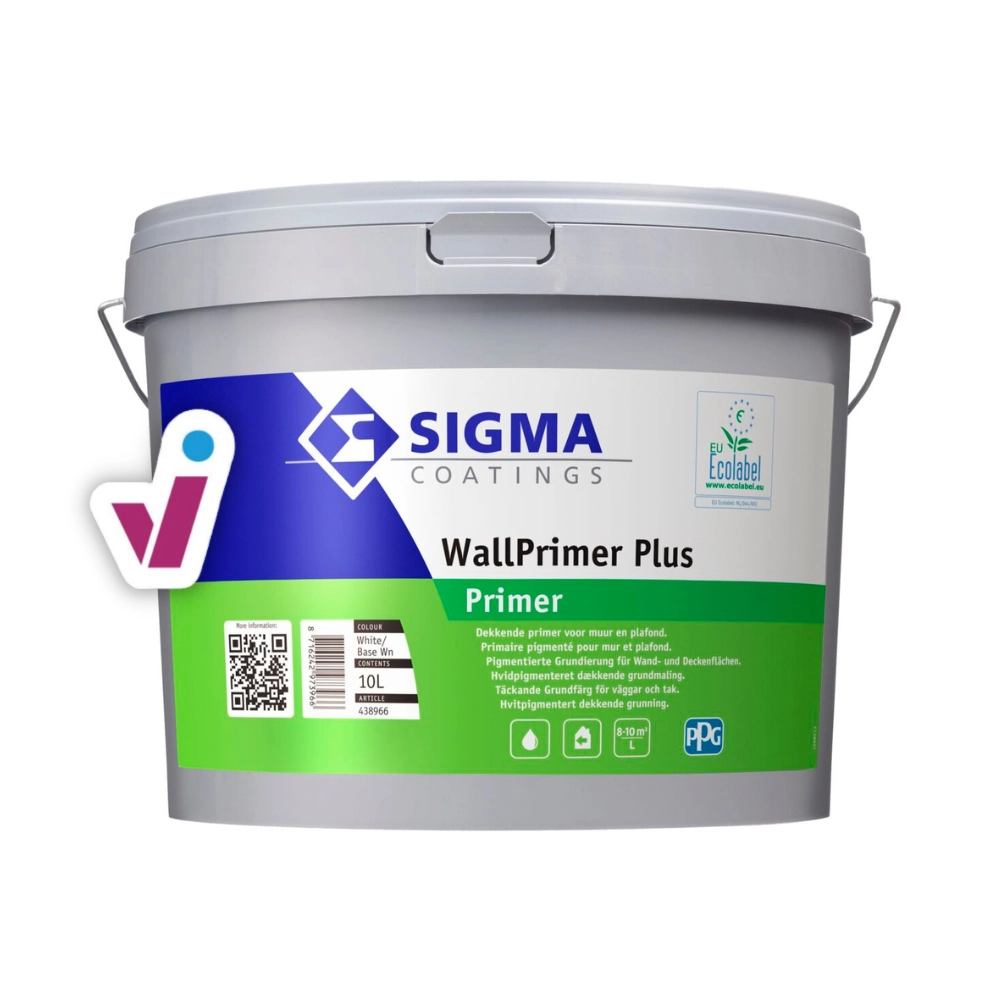
Water-based paint can carry eco labels such as the EU Ecolabel. This label helps identify products with a lower environmental impact throughout their lifecycle. They must meet strict requirements regarding emissions and performance. Not all colours qualify, which is why the label is more commonly found on primers and white paints.
Discover our range of EU Ecolabel paints. (In Belgium, these can also be purchased with ecocheques!)
Frequently asked questions about water-based paint
Can you use water-based paint outdoors?
Yes! There are many exterior water-based lacquers available. They are also weather and rain resistant. Some top products: Sigma Torno Aqua Satin and Sikkens Rubbol BL Ventura.
Do I need to dilute water-based paint?
In most cases, water-based paint does not need to be diluted when applied with a brush or roller. However, if you choose to spray the paint, it is recommended to dilute it by around 10–20%, as indicated in the technical datasheet.
Why choose water-based paint instead of solvent-based paint?
The comparison between water-based and solvent-based paint is a common question. In the past, solvent-based paint was often considered stronger, but today both are equally high-performing. That is why we always recommend water-based paint, as it is not only more environmentally friendly but also offers many additional benefits.
Read more about the differences between water-based and solvent-based paint here.






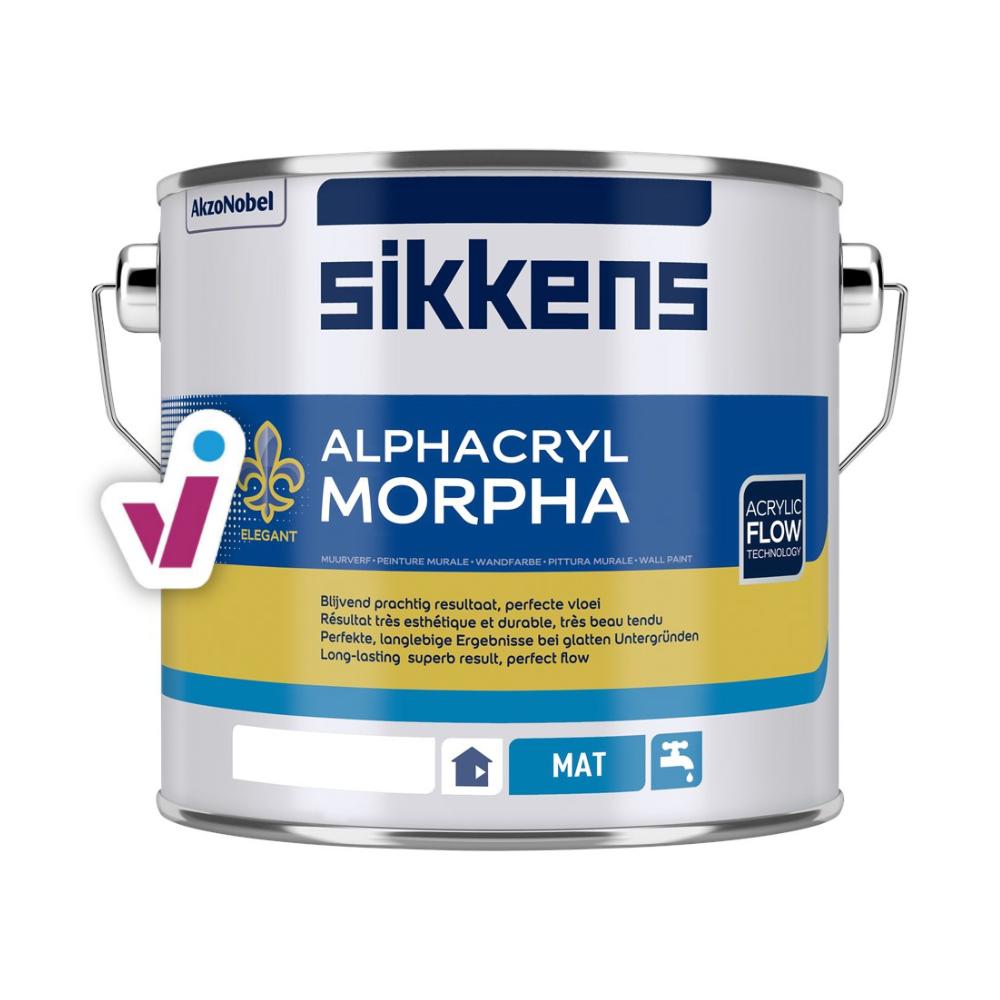


A few advantages:
- Eco-friendlier than solvent-based paints.
- No odour nuisance.
- Materials are easy to clean with water.
- Generally shorter drying times.
- Non-yellowing.

